
Belgian logistics property developer Warehouses de Pauw (WDP) continues to focus on the sustainable growth of its Romanian portfolio, says Gijs Klomp Business Development Manager WDP.
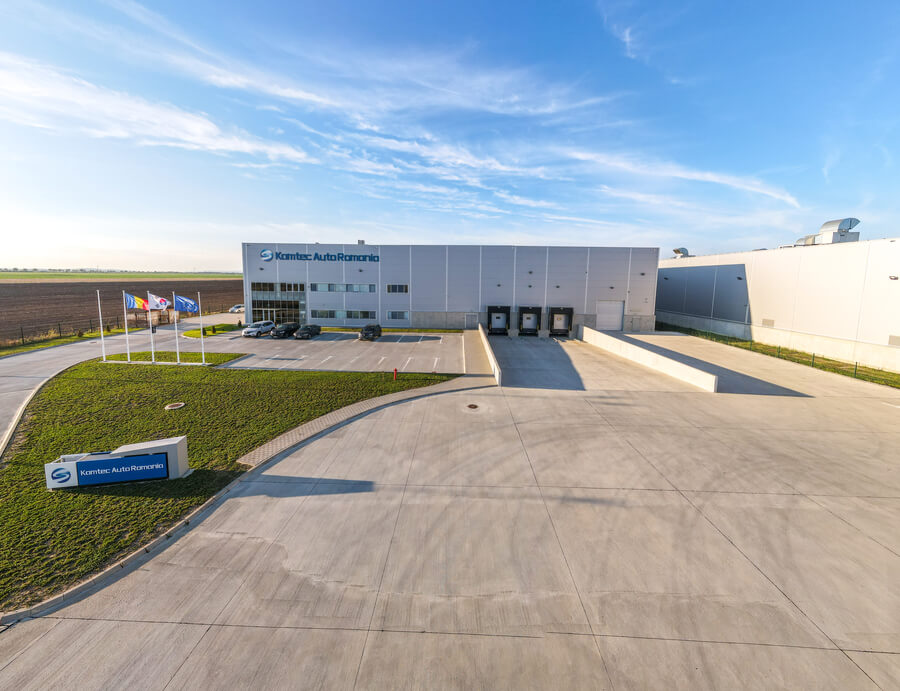
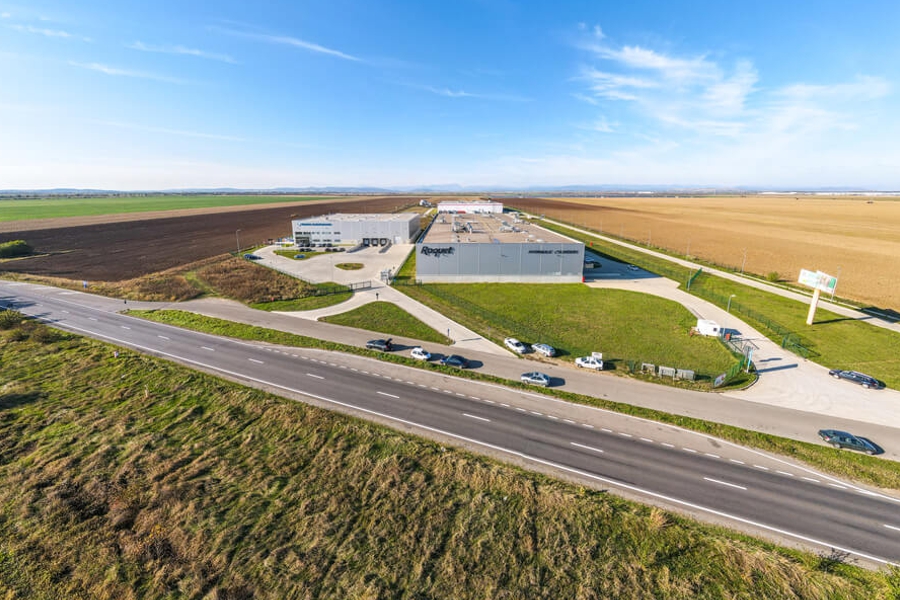
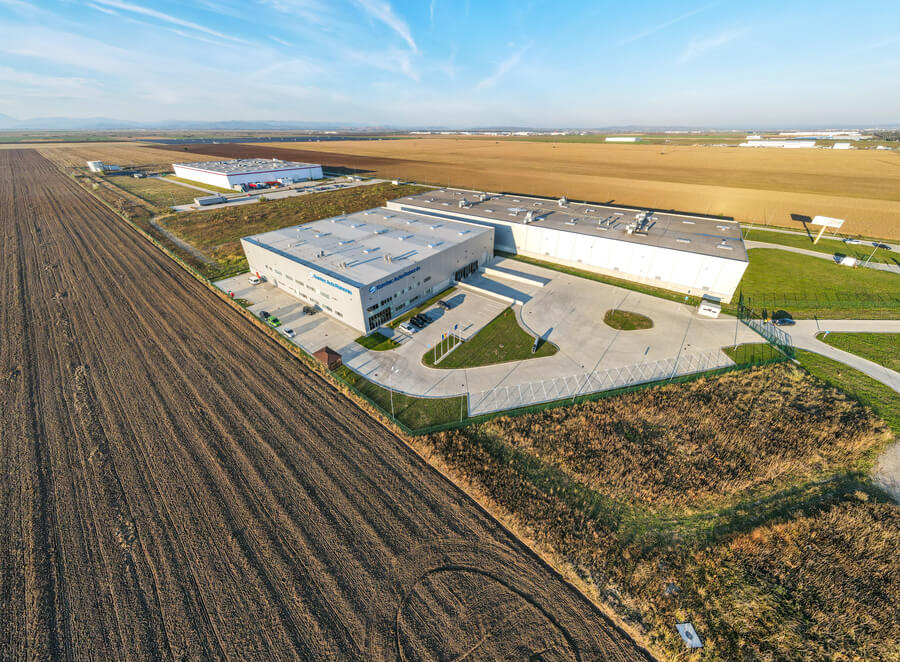
In 2022, in Romania, WDP successfully delivered pre-let projects totalling 112,303 sqm, with an investment budget of 86 million euro. The company has 183,291 sqm of logistics and industrial spaces under development, with the total investment amounting to 133 million euros for customers such as Pirelli in Slatina, Siemens in Sibiu, Erkut in Almăj, near Craiova, just to name a few. A significant part of the company’s portfolio in Romania –a total of 65 sites, with a cumulative area of approximately 1.5 million sqm and a value of over EUR 1.1 billion- is production related, automotive being the largest sub-segment within production, many of WDPs tenants serving entirely or partially the automotive sector. This also reflects in some of the new projects that WDP is developing in Romania. For Erkut, a Ford supplier, WDP will build a 6.200 sqm logistics centre in Almăj, near Craiova, with a budget of €4.5 million. The project is scheduled for delivery in Q2 2023, and Erkut will enter into a 7-year lease agreement. Another WDP investment in the local market is the construction of a new warehouse in Timisoara, with an area of 33,000 square meters, which will be used for both storage and production by a technology company. The investment amounts to €32 million for this project. In Slatina, WDP is working on the expansion of an existing project by more than 48,000 square metres with an investment of €36 million by the third quarter of the year, and in Sibiu, it will extend the space occupied by Siemens by more than 8,700 square metres under a ten-year contract. This €6 million should be finalized by Q1 2024. “As a company we are very happy with our Romanian business, which has been a greenfield initiative and as such we have developed most of our assets ourselves. Amongst our main advantages are: 1) our extensive know how in delivering customized solutions for our clients, which is especially important for industrial clients; 2) we are a very well capitalized business, meaning that any project we do for our clients is not contingent on us raising the necessary funding. Therefore, we are looking for new business all the time, but of course we remain prudent, as the business case needs to be financially viable for both parties.” says Gijs Klomp, Business Development Manager WDP.
Investments in energy projects
WDP is responding to the changed market conditions (such as the sharply increased cost of capital, persistently high construction prices and high inflation): increased emphasis on profitability through selectivity in real estate projects, increasing importance of organic growth opportunities (mainly via rent indexation) and focus on the accelerated roll-out of WDP Energy. Because of the current energy crisis and focus on profitability, sustainability investments are scaled up: WDP expects to invest approximately 150 million euros in energy projects in 2023-24 (mainly through an expansion of solar capacity as well as a first Green Mobility Hub). In Romania, WDP has an undergoing project with Enel X, who is building a solar park with a total installed capacity of almost 3 MW. This is part of a larger project, the plant will consist of nearly 6,700 photovoltaic panels that will be installed on the roofs of WDP’s warehouses located in Ștefăneștii de Jos, Ilfov County.
State of the market with Gijs Klomp Business Development Manager WDP
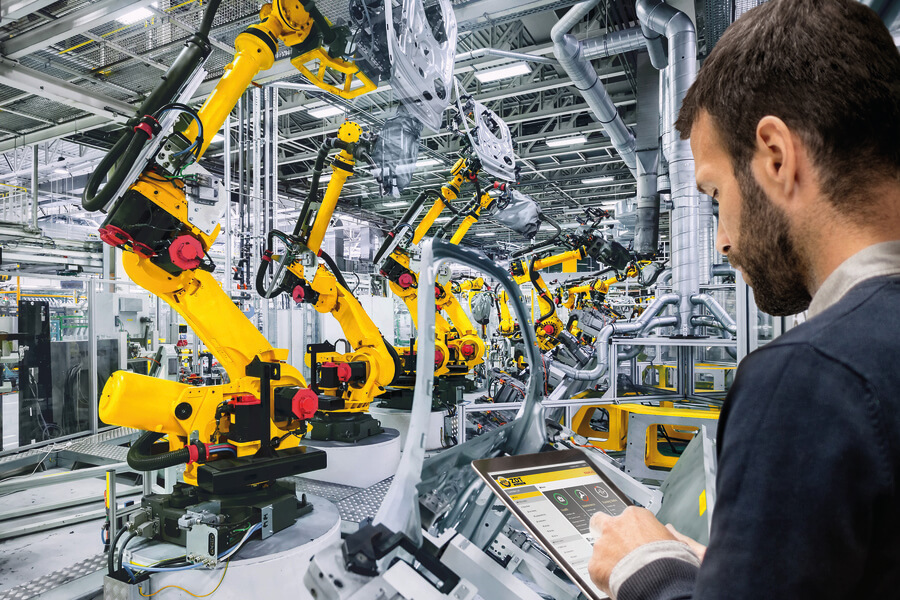
We definitely see an increase in requirements related to production both on the back of the near/ friend shoring trend, also accelerated by the ongoing war in Ukraine. Such conditions will take time as supply chains are complex, and re-routing them is no overnight exercise, but many of these will likely concretize. Romania is well positioned to capitalize on this trend as some of our traditional competitors are generally deemed less suitable in the new geopolitical context, We are optimistic about the industrial part of our market (which, besides industrial, includes logistics) as Romania remains undersupplied, and additionally, we have the aforementioned structural increase in demand due to relocations from abroad. The economic situation is unsuitable for organic growth as the many uncertainties make it difficult for companies to plan. However, broadly speaking, they push for cost optimization, and Romania’s leading competitive edge is still its lower costs versus all (but Bulgaria) EU peers.